


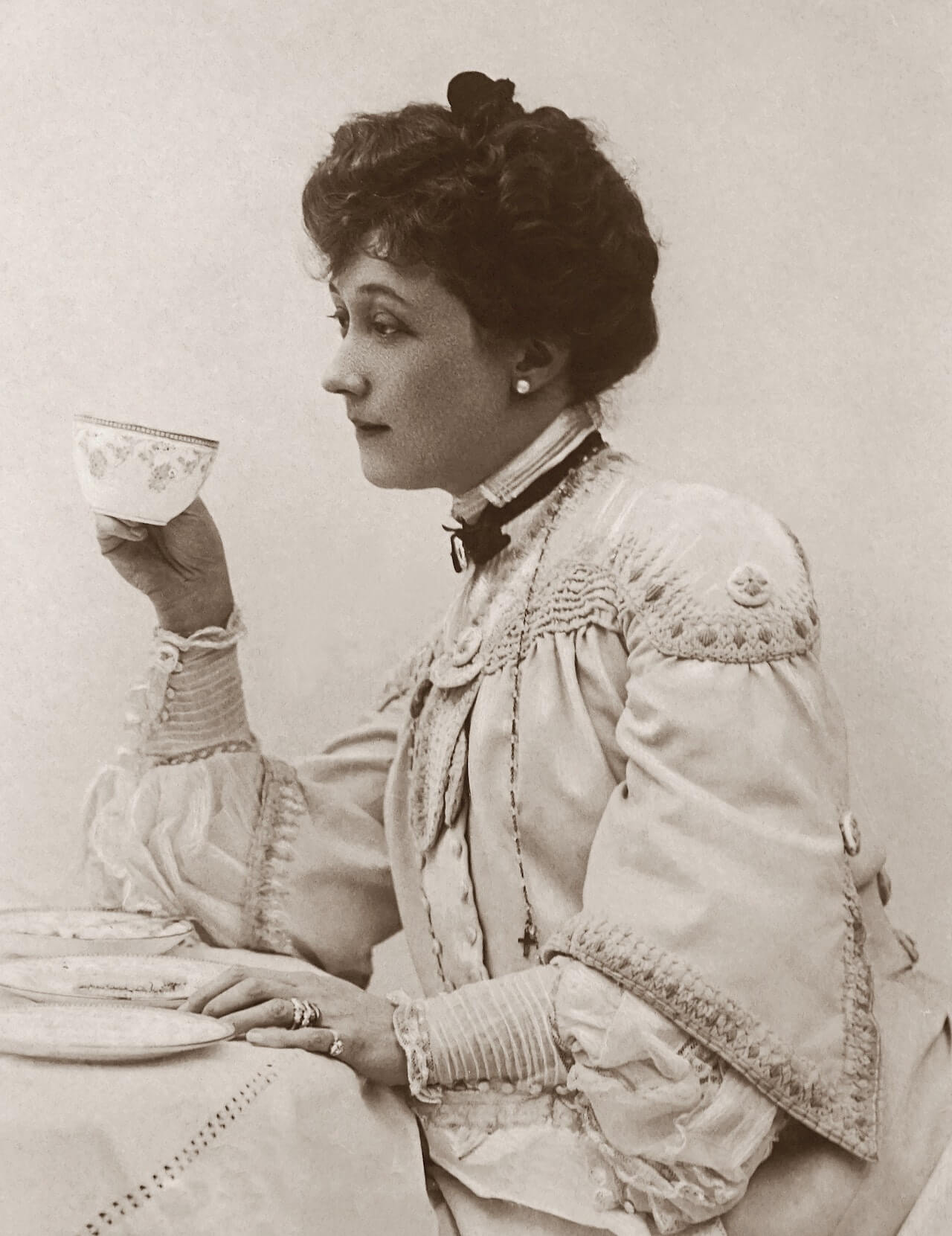
Princess Ljubica Obrenović
The First Lady of Modern Serbia
Princess Ljubica Obrenović (1788–1843) was not only the wife of Prince Miloš Obrenović – she was a symbol of perseverance, strength, and the struggle of a woman in a time when women lived in the shadows of their husbands. She played a significant role in the social and political life of Serbia during the first half of the 19th century. She married Miloš at just 17 years old and soon became the first lady of modern Serbia. She bore Prince Miloš eight children (of whom only two daughters, Petrija and Savka, and two sons, Milan and Mihailo, survived into adulthood).
Although she never held political power formally, Ljubica often influenced her husband’s political decisions. A French diplomat once wrote of her: “She has more sense than all of Miloš’s advisors put together.” Many contemporaries claimed that she was “the prince in the shadows.” It was known that she was always armed, especially during the turbulent periods of the uprisings, always carrying two pistols tucked into her belt.
When the Pistol Fired
She was known for her temper and jealousy – with good reason. Miloš and Ljubica did not have a happy marriage; the Prince was infamous for his numerous love affairs. One of the most well-known stories tells of how she killed Miloš’s mistress, Petrija, in a fit of rage by firing a revolver at her. Although contemporary sources tried to conceal the incident, the story has survived through the centuries. Ljubica avoided the death penalty because she was pregnant at the time with their future heir, Milan. Miloš had several other public mistresses, one of the most notable being Stanka. It is said that Ljubica also planned to kill her.
A Liberal Marriage of the 19th Century
After Petrija’s murder, they began living separately, and the construction of Princess Ljubica’s Residence is considered to have been part of Miloš’s effort to distance her from himself. Beyond marital issues, they also began to differ politically. It is known that in 1835, she joined the camp of her husband’s opponents, the Defenders of the Constitution, and conspired with them to start a rebellion against her husband.

The Protector in Black
However, she was not merely a “jealous woman” – she was a protector of her sons, especially Mihailo, who, when Prince Miloš abdicated, went into exile with his father, while the throne was taken by Prince Milan – unfortunately, not for long. Only 25 days into his reign, Milan passed away. Thus, Ljubica lost her fifth child and, after that tragic event, spent the rest of her life in mourning.
Ljubica worked tirelessly to secure the position of her only surviving son, Mihailo, and to preserve the Obrenović dynasty. The Defenders of the Constitution discovered her efforts to restore Miloš and Mihailo to power, which led to Vučić’s Rebellion in Kragujevac. The Defenders defeated Prince Mihailo and unanimously elected Aleksandar Karađorđević as the new prince. Ljubica went into exile with her son Mihailo and never returned to Serbia.
After her death, she was buried in the Krušedol Monastery on Fruška Gora – a great honor, as it is the resting place of members of the highest nobility.
The Princess is remembered as a woman who found her voice in a man’s world. She was passionate, proud, educated, and deeply devoted to her family and her people. In an era when women’s opinions were nearly nonexistent in public life, she stood as the voice of reason behind the throne.
Legacy and Traces
Her greatest and still visible legacy is the Residence of Princess Ljubica in Belgrade, built in 1831 – a symbol of the emerging Serbian aristocracy, a place of diplomacy and decision-making. Today, the residence is a museum that bears witness to the life of the Serbian elite of the 19th century.
Princess Ljubica Street – History Beneath Your Feet
The place where you stand now is one of the most beautiful and oldest streets in Belgrade, filled with history and the spirit of times past. It bears the name of the strong and courageous Princess Ljubica Obrenović, whose name remains a symbol of power and dignity to this day. The street is protected as a cultural and historical landmark. It was the site of many important meetings, negotiations, and diplomatic discussions during the 19th century. Archaeological findings from the Roman period have been discovered nearby, as it lies on the grounds of the former Roman Singidunum.